
Prescription Medication Safety & Online Pharmacy Awareness
PainMedicationAwareness.com provides essential education on prescription medication safety, online pharmacy verification, and responsible opioid awareness. Our mission is to help readers understand regulatory standards and make informed healthcare decisions regarding their treatment plans.
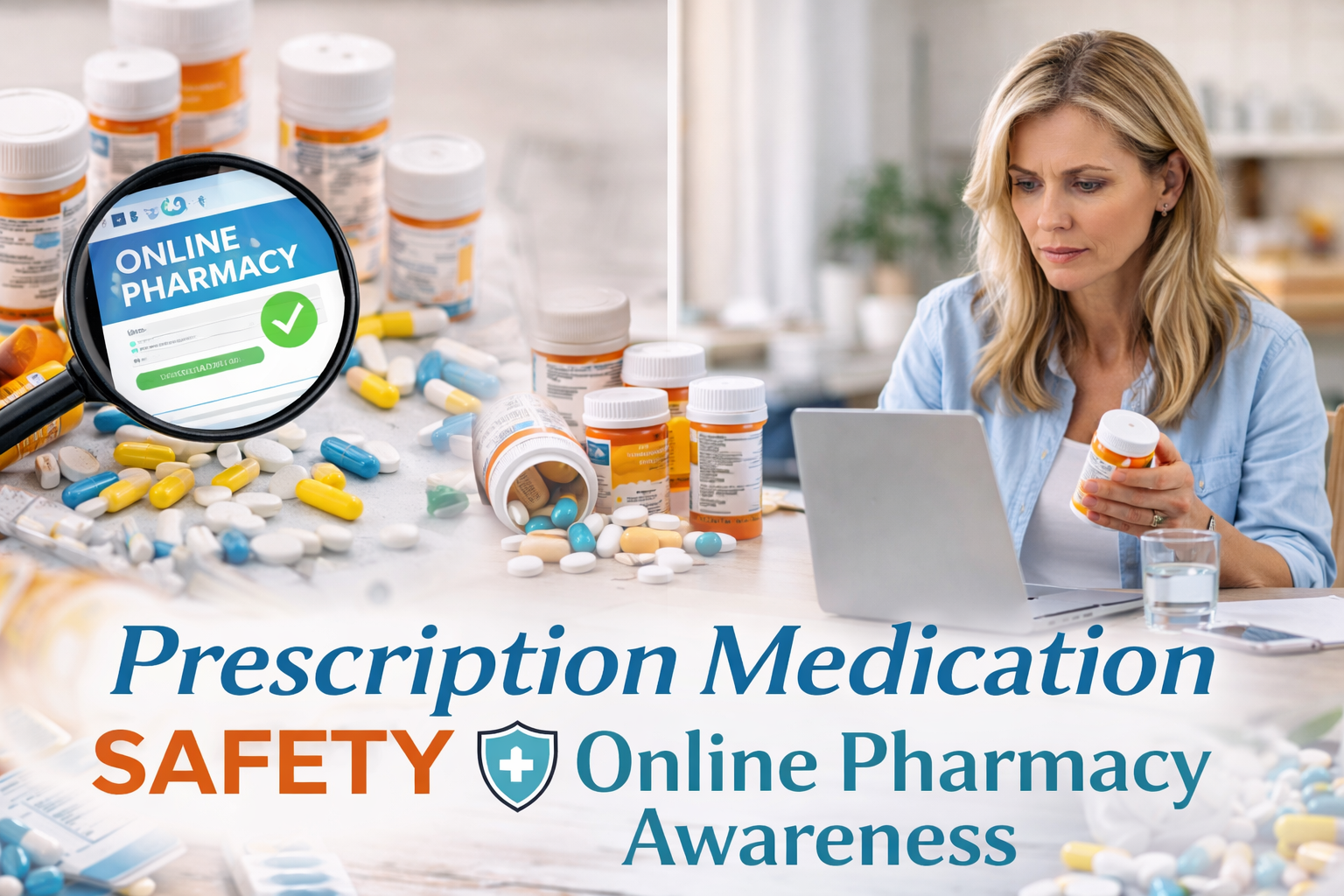
Why Prescription Medication Safety is Critical
Millions of Americans deal with acute or chronic pain, and many turn to online searches hoping for quick answers. However, the digital landscape is filled with risks, including unverified sellers and falsified health information. Maintaining prescription medication safety helps reduce risks linked to counterfeit drugs, unsafe dosing, and poor-quality sources.
PainMedicationAwareness.com was created to provide clear, research-backed guidance. We believe that an informed patient is a safer patient. By sharing educational resources on safe storage, disposal, and the science of pain, we help bridge the gap between research and everyday health decisions.
Ensuring Safe Online Pharmacy Practices
When searching for medications online, it is easy to be misled by professional-looking websites that operate without a pharmacy license. According to the National Association of Boards of Pharmacy (NABP), many websites selling prescription drugs online operate out of compliance with U.S. laws. Use verified sources and follow safety checks before purchasing from any online pharmacy.
Patient Safety Checklist
- Use only pharmacies that require a valid prescription from a licensed healthcare provider.
- Check for the “.pharmacy” domain or NABP verification resources at NABP.pharmacy.
- Confirm the website provides a physical address and a way to contact a licensed pharmacist.
- Avoid any seller offering controlled substances without proper medical evaluation.
Counterfeit Awareness
Counterfeit medications can look identical to legitimate products but may contain dangerous ingredients or incorrect dosages. Safety checks—like verifying packaging, lot numbers, seals, and pharmacy credentials—help reduce risk when using online sources. For more guidance, read Signs of Counterfeit Medications.
2026 Research in Pain Management and Medication Safety
Our editorial team follows peer-reviewed publications and public health guidance to keep educational content accurate and current. Explore more in our Resources section.
Public Health Safety Updates
For official updates and safety communications, visit the U.S. Food & Drug Administration (FDA) and the Centers for Disease Control and Prevention (CDC).
Controlled Substance Guidance
For controlled substance regulations and safe disposal information, refer to the Drug Enforcement Administration (DEA), including DEA Take Back Day resources.
Core Medication Safety Guides
Explore our education-focused resources to stay informed and protect your health:
- How to Verify an Online Pharmacy
- Signs of Counterfeit Medications
- Safe Opioid Storage and Disposal Guidelines
- Online Pharmacy Safety FAQs
- Editorial Policy & Standards
Last Updated: February 2026. Educational guidance references publicly available information from the FDA, DEA, CDC, and NABP.
Medical Disclaimer: PainMedicationAwareness.com is an independent educational resource and does not sell, prescribe, or distribute medications. Content is for educational purposes only and does not replace medical advice from a licensed professional.